|
|||||||||||||
 |
|||||||||||||
An Interview with Dan Selene |
|||||||||||||
 |
|||||||||||||
|
|||||||||||||
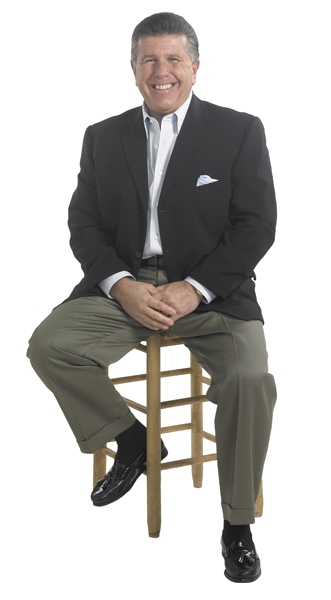
In the mid-1980's, Dan co-founded Higher Octave Music, an independent record label focusing on Ambient and Progressive Instrumental Music. The label generated over 200 albums in 20 years and was acquired by Virgin Records. His passion for music and his background as an educator led him to develop a new world of audio products. Dan's mission now is to create personal development audio programs, sound environments, and music, to inspire everyone to attain their highest level of performance and achieve a way of life, both spiritual and material, that brings benefit to all. Dan Selene has a Master of Business Administration from Pepperdine University. |
|||||||||||||
 |
|||||||||||||
 |
ATP: You are an innovator in the music industry. Tell us about your first company. DS: I co founded an independent record label, Higher Octave Music. We were a boutique label that specialized in instrumental music for almost 20 years. Our genres were new age, jazz and world. Eventually we were acquired by Virgin Records. |
||||||||||||
| ATP: How did you get started? DS: I didn't have any experience in the music industry in the beginning. Most of my background was in education and then, finance. I wanted to create a business, though, and read all the success literature I could find. I really like Napoleon Hill's work and began applying it. One of the themes of all the books I read was to find something you really loved to do because then you would go through all the challenges and stick with it. So I was looking for something I really loved. It took 4 years. Then one day, during a particularly difficult time, I discovered some music that was like nothing I ever heard. At that point, I knew that I had to be involved with it in some way. I knew I found what I was looking for. From that point on, to make a long story short, all the right people showed up. It was really miraculous. I raised some seed capital and about 6 months later found a partner already successful in the entertainment industry who had the knowledge to create a record label. It took us 5 more years to become profitable but we always felt successful inside because we believed in the music and made the business a lifestyle. ATP: What was your main lesson from that experience? DS: I think the lesson I learned was to trust that inner feeling (if you really love something) even if it doesn't seem to make sense on a practical level. As you move forward things seem to work out. ATP: Please tell us about your current business. Briefly explain binaural audio technology DS: My current business is just getting started after several years of Research and Development. It is called SoundTonics (as in Tonic - an invigorating, refreshing or restorative influence). We produce life enhancing audio programs, sound environments and music. The idea is to create a new world of personal development programs that are effective, convenient and so pleasurable that they become an alternative to plain music. Some are deeply relaxing and relieve stress, others are invigorating and great for exercise. And there is a higher purpose with all of them to improve the quality of your life. Our vision is that every portable mp3 player has a soundtonics playlist to make it a personal productivity tool as well as an entertainment device. Over the years, we developed a technique combining music or sound environments, spoken word and various audio technologies including binaural beats. We use the Binaural audio technology (requires headphones to be effective) in many programs to create alpha or theta states which are good for relaxation, stress release and learning. The way it works is that we have two different frequencies of tones - one in each ear. They are soft so you hardly notice them. The brain automatically perceives the difference and then works to combine the tones. This induces the brain to produce its own third signal, called a binaural beat, equal to the exact difference between the two tones. For example, we could have 200-Hertz frequency in one ear and 190Hz in the other. The third signal or frequency would be at 10-Hz, which is an alpha state.The listener would now feel more expansive and creative and less into the day-to-day thinking process (the beta state.) Also, we can synchronize the left and right hemispheres of the brain for an optimum learning state. ATP: There are many different definitions for creativity out there, are there any of them that appeal to you or do you have your own definition? DS: I think there are two types of creativity - one occurs when you take ideas that are already out there and rearrange or combine them in new ways. They come from the conscious mind - our everyday normal waking consciousness. The other type of creativity is more of an insight from creative imagination. It comes during a period of meditation or as a flash of insight. I think it comes from universal mind or perhaps our unconscious, subconscious or 'other than conscious.' In other words, beyond ourselves. (By the way, I have a section in thinkGENIUS that gives a space for this type of creativity to occur.) ATP: How can you understand if someone is creative? Is there any way to test it? DS: I think everyone has the capacity to be creative in something. Especially something they love. They just need the opportunity to be creative. ATP: What is the most important lesson you learned with respect to innovation in the last year? DS: It is not a new lesson, but in 2008, I think with the economy we all learned that monumental change can come at any time. And when that change comes, we have to respond. It shakes us out of our patterns and habits and may not be pleasant. It is part of the principle that within every adversity there is the seed of an equal or greater benefit. We just have to find it. The other lesson from last year is that possibilities are limitless. The election of President Obama is an exciting example of that. That could be a message to everybody to not be limited by the past. Just because something hasn't been done before doesn't mean it can't be done. ATP: Is poetry overrated? DS: No. It is like music in that it gives emotional content to words. It can amplify a thought. I like poetry when it is set to music. ATP: Share with me your immediate reaction to the following ideas:
ATP: Tell us about the new audio programs you are introducing. DS: It is an amazing coincidence that the first wave of programs, which I have been working on for years, are particularly suited to the current economic situation where there is so much anxiety and uncertainty. They are designed to help people activate the universal principles of prosperity and fulfillment regardless of the outer conditions. For the new programs, the aim was to create an effective, time efficient and pleasurable way to absorb the most refined wisdom about prosperity and fulfillment. I thought The Secret and all the information on the Law of Attraction was great and I wanted to take it a step further by providing a compelling way to practice it on a daily basis. It is one thing to intellectually know what to do, but to really integrate it and stick with it over time is the great challenge. |
|||||||||||||